Xylokastro Travel Guide: Pefkias Pine Forest, Beaches, History & Day Trips from Athens
If you’re planning a journey through the northern Peloponnese, Corinthia is a region that often surprises travelers. It’s a place where ancient Greek heritage meets dramatic coastal scenery and rich Mediterranean nature. Among the destinations that truly deserve a spot on your itinerary is Xylokastro - a relaxed seaside town set along the clear blue waters of the Corinthian Gulf.
Xylokastro may not be as famous as some Greek resort towns, but that’s precisely its charm. It offers beautiful beaches, clean water, and a slower pace of life, while still being easily accessible from Athens. What truly sets it apart, however, is the Pefkias Pine Forest, one of the most unique natural attractions in the region.
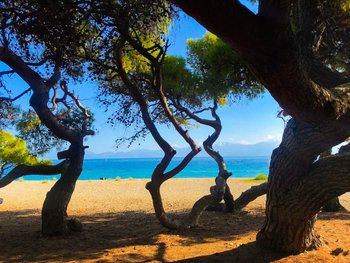
Stretching along the coastline, the Pefkias Forest forms a narrow yet lush green belt between the town and the sea. This seaside pine forest feels like a natural park, ideal for long walks, morning jogs, cycling, or simply relaxing in the shade of tall pine trees - all just a few steps from the beach. The sound of waves, the scent of pine resin, and shaded paths create a calm atmosphere that instantly slows you down.
Pefkias is the last surviving fragment of the coastal pine forests that once covered much of this part of the Peloponnese. In recognition of its exceptional natural and scenic value, the forest was officially designated an “Aesthetic Forest” in 1974 - a special protection status in Greece. For visitors today, this means a place that is well preserved, carefully maintained, and very easy to explore, whether you’re stopping by for a short walk or spending an entire day surrounded by nature.
The best time to experience the Pefkias Forest is early in the morning or later in the afternoon. At those hours, sunlight filters through the pine canopy, creating a beautiful play of light and shadow, while the air fills with a distinctive mix of pine resin and sea salt. Locals often refer to Pefkias as the “green shore of the homeland” - a phrase that has captured the spirit of this place for generations.
If you’re looking for a destination that combines the sea, nature, and the authentic atmosphere of a less commercialized Greece, Pefkias in Xylokastro is a choice you won’t regret.
The Origins and Historical Evolution of Xylokastro
The name Xylokastro, meaning “Wooden Castle,” dates back to the Venetian period. During that time, a wooden watchtower was built on a hill overlooking the present-day town. Its purpose was to monitor ship traffic across the Corinthian Gulf, an important maritime route connecting mainland Greece and the Peloponnese.
Until the 18th century, the settlement was known as Oxokampos, a name reflecting its peripheral location away from the region’s main administrative centers. For centuries, Xylokastro remained a modest coastal community, shaped primarily by the sea and surrounding landscape.
The real turning point in the town’s history came thanks to the Pefkias Forest. The natural shade of the pines, the proximity to the sea, and the mild coastal microclimate transformed the area into an early seaside retreat. By the late 19th century, Xylokastro began attracting wealthy Athenians and members of the European elite looking for summer residences and a healthier coastal environment.
At the same time, much of the Peloponnese coastline was undergoing intense deforestation. Pine wood and resin were valuable commodities, leading to widespread logging and the disappearance of many coastal forests. The fact that Pefkias survived is due to a rare combination of favorable natural conditions and decisive political action - a story that would later become central to the forest’s legacy.
Royal Protection and the Birth of Nature Conservation in Xylokastro
A defining moment in the history of the Pefkias Pine Forest took place in the mid-19th century, during a visit by King Otto I of Greece and Queen Amalia. Queen Amalia was widely known for her passion for nature, landscaping, and gardening - she was also the driving force behind the creation of the National Garden of Athens. According to local accounts, she was deeply shocked by the scale of deforestation along the Peloponnese coast, where pine forests were being cut down rapidly for timber and resin.
Local tradition says the Queen personally ordered an immediate stop to logging in the Pefkias area. Whether the decision was formalized instantly or strengthened over time, the result was extraordinary: the forest was preserved as protected land, often described in local memory as being declared “for all time.” This intervention is considered one of the earliest examples of nature protection in Greece.
Thanks to this protection, a coastal forest strip approximately 1,760 meters long survived on sandy soil-terrain that had long been viewed as agriculturally unproductive and unsuitable for vineyards or citrus groves. Ironically, that very “unusable” land helped safeguard Pefkias from the fate of many other forests, which were cleared and replaced by cultivation or construction.

From Seaside Settlement to Elite Resort: Xylokastro’s Golden Summer Era
In 1919, Xylokastro was officially recognized as a resort town, marking the start of a new chapter in its development. From that point forward, the combination of sea air, pine shade, and an elegant coastal atmosphere made it a magnet for affluent visitors. The Pefkias Forest became central to the town’s identity—more than a natural landmark, it served as the town’s signature “summer room,” where people gathered, strolled, and escaped the heat.
During this period, Xylokastro attracted members of European aristocracy, political figures, artists, and writers. Its popularity became so strong that the town earned the nickname “Anthoupoli,” meaning “City of Flowers,” a reference to both its refined resort image and the lush greenery that set it apart from many other coastal places.
But the forest’s story was never completely secure. As tourism expanded and land value rose, tensions grew between commercial development and conservation. Those pressures would become especially intense during one of Greece’s most turbulent political periods.
The Development Threat and the 1974 “Aesthetic Forest” Designation
The most dramatic conflict over Pefkias erupted during the era of the military dictatorship (early 1970s). In that period, parts of the forest were classified as a “tourism zone,” which opened the door for proposals involving dense construction and expanded infrastructure. Plans like these would have fundamentally altered the coastal ecosystem and permanently changed the character of Xylokastro’s waterfront.
After the fall of the junta, local forestry professionals and conservation advocates pushed for stronger legal protection. Their efforts culminated in 1974, when Pefkias was formally designated an Aesthetic Forest - a status that placed strict limits on new construction and helped safeguard the forest as a protected natural landscape.
That decision is widely viewed as the moment that “saved” Pefkias in its modern form. It ensured the forest remained not only a scenic park, but also an intact Mediterranean coastal ecosystem - one that still shapes the identity of Xylokastro today.
Pefkias in Greek Culture and Literature
The importance of the Pefkias Forest goes beyond ecology and tourism. Over time it became deeply embedded in modern Greek cultural memory, especially through literature and artistic life. Two major figures played a key role in turning Pefkias into a place of symbolic meaning: Kostas Karyotakis and Angelos Sikelianos.
Kostas Karyotakis and the “Green Shore of the Homeland”
Kostas Karyotakis, one of Greece’s most influential poets of the 1920s, spent his summer holidays in Xylokastro and nearby Sykia, where his grandfather owned a home. Although Karyotakis is often associated with a melancholic, introspective literary voice, Pefkias offered him something rare: a sense of calm and stillness.
In his 1921 poem Sleep (Ypnos), he referred to the forest as the “green shore of the homeland.” That phrase has become inseparable from the identity of Pefkias and is still echoed remindingly in local storytelling and tourism references. Even though the poet’s family home no longer exists, visitors continue to look for traces of his presence - walking the shaded paths with the idea that this coastline once offered a quiet refuge to one of Greece’s defining literary voices.
Angelos Sikelianos and the Delphic Vision
For Angelos Sikelianos, a celebrated poet and playwright, Pefkias was not just a pleasant summer retreat. It was a space of intellectual energy, spiritual renewal, and cultural ambition. Together with his wife, Eva Palmer, Sikelianos built an impressive villa near the forest, and their home became a meeting point for Greece’s artistic and cultural elite.
It was here—on the edge of the forest and close to the sea - that Sikelianos and Palmer developed the ideas that would later lead to the revival of the Delphic Festivals. Their vision was not about athletic competition, but about unity through art: theater, music, poetry, and cultural exchange inspired by ancient Greek ideals.
Local legend adds a nearly mythical layer to this story: it is said that Sikelianos sometimes rode through the forest on a white horse, dressed in ancient-style robes. Whether fully literal or partly symbolic, the image remains part of the forest’s cultural aura, a reminder that Pefkias has long been seen as more than a landscape. For many, it is a place with a spirit.
Architectural Heritage: The Villa of Angelos Sikelianos
On the eastern edge of the Pefkias Pine Forest, in the seaside village of Sykia, stands one of the most distinctive architectural landmarks in the region: the former residence of Angelos Sikelianos and Eva Palmer. Built between 1912 and 1916, the villa is a rare and highly symbolic example of early 20th-century Greek eclectic architecture.

The building was conceived as more than a private home. It was designed as a physical expression of the philosophical and cultural ideals shared by its owners. Every architectural element reflects a deliberate connection to Greece’s layered past. The classical façade, with its columned structure, draws inspiration from ancient Greek temples and the concept of balance and harmony. Byzantine influences appear in the form of tall, narrow windows and stone details that give the structure a restrained, almost monastic presence. Completing the composition are clear Venetian elements, including wide terraces and balconies opening toward the sea and the pine forest, reminiscent of aristocratic residences along the Adriatic coast.
After Sikelianos’ death in 1951, the property passed into the hands of the Typaldos family, who recognized its potential as a destination rather than a private residence. The surrounding grounds were gradually transformed into a high-end seaside retreat, and bungalows were introduced among the pine trees—a pioneering concept in Greek tourism at the time.
In 1989, the villa was officially designated a National Cultural Monument by then-Minister of Culture Melina Mercouri, cementing its status as a site of historical and artistic importance. A major restoration completed in 2021 marked the beginning of a new chapter in the building’s life.
Today, the villa forms part of the Sikyon Coast Hotel & Resort. Its interiors and terraces are open to visitors and regularly used for cultural events, exhibitions, and special dinners at the on-site Restaurant Angelo, allowing guests to experience the building not as a static monument, but as a living part of Xylokastro’s cultural landscape.
Recreation and Outdoor Activities in the Pefkias Forest
For modern travelers, the Pefkias Forest offers a rare balance between untouched Mediterranean nature and thoughtfully designed recreational infrastructure. It is a destination that suits both those seeking quiet relaxation and visitors who prefer an active day outdoors - without sacrificing comfort or accessibility.


Walking Trails, Jogging, and Cycling
One of the forest’s greatest assets is its well-maintained network of natural paths, which weave through the pines and run parallel to the coastline. The most popular route stretches for approximately 2 kilometers, connecting Xylokastro and Sykia almost entirely under the shade of pine trees, with frequent glimpses of the turquoise Corinthian Gulf.
The terrain is flat and the surface-made up of pine needles and sand - is soft underfoot. This makes the forest ideal for walking, jogging, and Nordic walking, and especially appealing during hot summer months when temperatures inside the forest are noticeably cooler than in town.
Cyclists are equally well accommodated. Xylokastro is known for its coastal bike path, which seamlessly extends into the Pefkias Forest. Riding through the shaded forest with the sea just meters away is considered one of the most enjoyable cycling experiences in the region.
Thanks to its accessibility and gentle gradients, Pefkias is also family-friendly. Strollers can easily navigate the main paths, and open clearings throughout the forest invite short breaks, picnics, or relaxed stops with children.
The Pefkias Beach: One of Corinthia’s Finest
The beach bordering the Pefkias Forest is widely regarded as one of the most beautiful beaches in Corinthia. Its clear, transparent waters and white pebble shoreline give the sea an intense blue color that often surprises first-time visitors.


Both Pefkias Beach and the neighboring Aristonafton Beach are regularly awarded the Blue Flag, a recognition of excellent water quality, safety, and organization. Despite this, the beach remains pleasantly low-key, avoiding the overcrowded feel found in many more famous Greek destinations.
Facilities are available but not overwhelming. Visitors will find beach bars offering drinks and light snacks (note that sunbeds and umbrellas are typically paid in high season), as well as showers, restrooms, and changing cabins. This makes the beach suitable for spending an entire day, whether you’re looking to swim, relax, or combine beach time with forest walks.
Xylokastro Marina: The Gateway from the Sea
The Xylokastro Marina, also known as Aristonafton, is an important nautical hub along the northern Peloponnese coast. It serves as a convenient stop for sailors navigating the Corinthian Gulf, particularly those traveling toward or from the Corinth Canal.

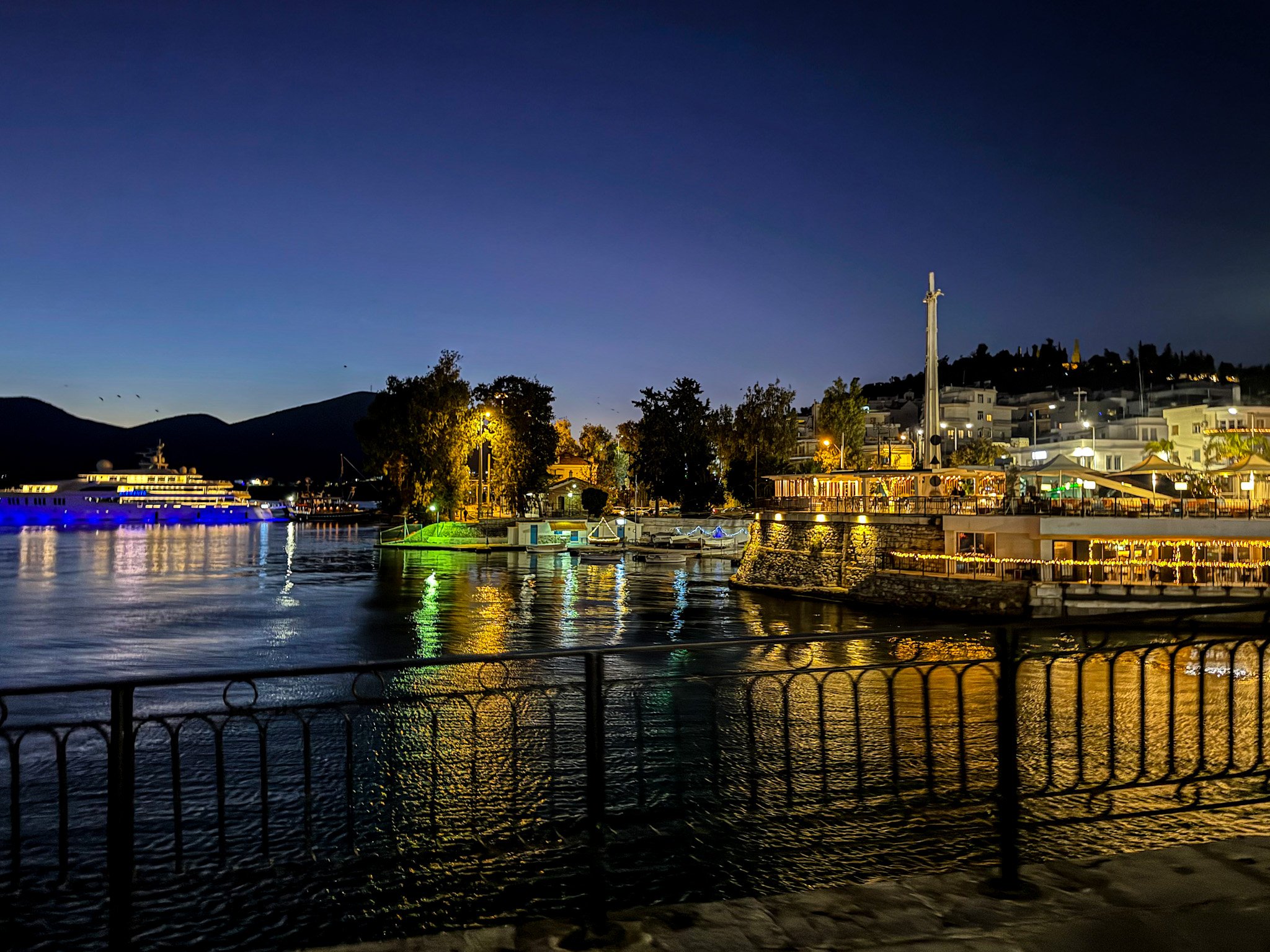
The marina offers approximately 290 berths for vessels up to 17 meters in length, with a maximum draft of around 1.7 meters. While primarily functional, it is also one of the town’s most pleasant public spaces. Even visitors without boats enjoy strolling along the waterfront, watching sailing yachts arrive, and taking in sunset views over the gulf.
Sailors approaching the marina should be aware that water depths in this part of the Corinthian Gulf can change quickly, and afternoon westerly winds may create noticeable wave action. The presence of the Xylokastro Sailing Club, active since 1977, adds both safety and vitality to the marina. The club offers sailing lessons for children and adults, reinforcing the area’s connection to the sea.
What to Eat in Xylokastro: Local Cuisine and Dining
A visit to Xylokastro is not only about beaches, forests, and history—it’s also a great opportunity to experience the authentic flavors of the Peloponnese. Local cuisine here is rooted in simplicity and quality, relying on ingredients sourced from nearby farms and coastal waters. Fresh fruit, vegetables, olive oil, grapes, and the famous Corinthian raisins form the backbone of many traditional dishes, while regional wines add depth to the culinary experience.

One of the highlights of the area is its connection to Nemea, one of Greece’s most important wine regions. Red wines made from the Agiorgitiko grape are widely available in local restaurants and tavernas, pairing perfectly with meat dishes, grilled vegetables, and traditional meze.
Near the Pefkias Forest and along the seaside promenade, you’ll find a range of dining options that suit different tastes and budgets:
-
Restaurant Angelo
Located in the gardens of the restored Sikelianos Villa, this elegant restaurant offers refined Greek and Italian-inspired cuisine in a unique historical setting. With a carefully curated wine list featuring local Nemea labels, it’s an excellent choice for a romantic dinner or a special occasion. -
Taverna Revelin
A cozy, relaxed spot known for its welcoming atmosphere, creative cocktails, and strong selection of vegetarian and vegan dishes. Ideal for a laid-back evening after a walk through the forest. -
La Strada
A popular pizzeria along the promenade serving generous portions of Greek-Italian comfort food. Especially popular with families and travelers looking for a casual meal with a sea view. -
Seafront Fish Taverns
Along the marina, traditional tavernas specialize in fresh daily catches, grilled fish, seafood, meze, and local olives. These are some of the best places to enjoy simple, authentic Greek food while watching the boats come and go.
Thanks to this culinary diversity, Xylokastro makes it easy to combine seaside relaxation with a true taste of Corinthian gastronomy, best enjoyed during long, warm Mediterranean evenings.
Day Trips and Nearby Attractions from Xylokastro
Xylokastro is also an excellent base for exploring the wider Xylokastro - Evrostina municipality, a region that stretches from the coast of the Corinthian Gulf to the high peaks of Mount Ziria (Kyllini). This dramatic change in landscape allows visitors to experience beaches, ancient ruins, mountain villages, and alpine scenery - all within short driving distances.
Ancient Sites of Corinthia
History lovers will find some of Greece’s most important archaeological sites close at hand:
-
Ancient Sicyon
Located just a few kilometers from Xylokastro, Ancient Sicyon was once a major artistic and cultural center, famous for its schools of painting and sculpture. Visitors can explore the remains of an ancient theater, stadium, and a small archaeological museum housed in former Roman baths. -
Ancient Corinth and Acrocorinth
About 35 kilometers east of Xylokastro lies Ancient Corinth, dominated by the massive fortress of Acrocorinth rising above the ruins. This site played a key role in ancient trade and early Christian history and is closely associated with the journeys of Saint Paul. -
Nemea
Known in antiquity for its sanctuary of Zeus and ancient stadium, Nemea is today best known as the heart of Greek winemaking. Visitors can tour local wineries, walk through vineyards, and sample some of the country’s finest red wines.
place-post-preview-1-here:https://keepitgreece.com/en/article/how-to-drink-ouzo-like-a-greek-what-ouzo-really-is-and-how-to-enjoy-it/
Mountains, Villages, and Lakes
For those looking to escape the coastal heat, the interior of Corinthia offers a completely different side of the Peloponnese:
-
Trikala Korinthias
A group of three picturesque mountain villages located at around 1,000 meters above sea level. Trikala is a great destination for a scenic walk, coffee with mountain views, or a traditional meal in a local taverna. In winter, it serves as a gateway to the Ziria ski center. -
Lake Doxa
A man-made yet incredibly scenic alpine lake surrounded by fir forests. It’s perfect for a peaceful walk, picnic, or photography. Nearby stands the Monastery of Agios Georgios, dramatically positioned on a small peninsula. -
Lake Stymphalia
Famous from Greek mythology as the site of one of Heracles’ labors, today Stymphalia is a protected wetland area. The modern Environmental Museum of Stymphalia offers insight into the region’s ecology and natural history.
Thanks to this remarkable variety, the area around Xylokastro allows visitors to effortlessly combine beach time, nature, ancient history, and local cuisine. One day can be spent walking along the sea and relaxing on the beach, while the next might include exploring ancient ruins or enjoying lunch in a mountain village - all within the scope of an easy day trip.

How to Get to Xylokastro from Athens
One of Xylokastro’s greatest advantages is its strategic location, making it an easy and convenient destination for travelers based in Athens. Situated approximately 120 kilometers west of the Greek capital, Xylokastro works perfectly as a one-day trip from Athens, a weekend escape, or a longer seaside stay.
By car: driving is the fastest and most flexible way to reach Xylokastro. The journey follows the modern Olympia Odos (A8) motorway and typically takes around 1 hour and 20 minutes from central Athens or Athens International Airport. Having a car allows you to explore nearby vineyards, archaeological sites, and mountain villages at your own pace.
By train (Proastiakos suburban railway): the Proastiakos train connects both Athens city center and the airport with the town of Kiato in approximately 1 hour and 20 - 25 minutes. From Kiato, Xylokastro can be reached by local KTEL buses or taxi in about 15 - 20 minutes, making this a practical option for travelers without a car.
By bus (KTEL Korinthias): intercity KTEL buses depart frequently from Kifissos Bus Terminal in Athens. The direct journey to Xylokastro usually takes between 1 hour 45 minutes and 2 hours. This option is reliable and budget-friendly, especially for travelers who prefer public transportation.
Thanks to these well-developed transport connections, reaching Xylokastro is straightforward and stress-free - another reason why it has become a favorite getaway for Athenians.
Why Xylokastro Is an Ideal One-Day Trip Destination
Xylokastro offers a rare combination of elements that are difficult to find so close to Athens. In a single day, visitors can enjoy pine forest walks, swimming in clear blue waters, cultural landmarks, and excellent local food - without the crowds often associated with more famous Greek destinations.
The Pefkias Pine Forest provides natural shade and cooler temperatures during summer, making it pleasant even on hot days. The nearby beach allows for easy transitions between forest walks and sea swims, while the marina and promenade create a relaxed, social atmosphere in the evening.
For travelers seeking more than just sun and sand, Xylokastro delivers depth. Its literary heritage, historic villa, protected natural areas, and proximity to ancient sites such as Corinth and Nemea add meaningful layers to the experience.
A Balanced Greek Escape Close to Athens
Xylokastro is not about ticking off landmarks or rushing through attractions. It’s about balance—between nature and culture, relaxation and activity, coast and mountains. Few places in Greece offer such diversity within such a compact and accessible area.
Whether you’re planning a one-day trip from Athens, a quiet weekend by the sea, or a base for exploring northern Peloponnese, Xylokastro delivers an authentic Greek experience without mass tourism. Walk through a pine forest by the sea, swim in crystal-clear waters, enjoy local wine at sunset, and explore ancient ruins the next day - all without long travel times.
For travelers looking to experience a calmer, more genuine side of Greece, Xylokastro and the Pefkias Forest remain a destination worth discovering.