Is Greece Cold in Winter, and Does It Snow? The Side of Greece Most Tourists Never See
When someone asks a Greek whether the country gets cold in winter or if it ever snows, the answer often surprises them. Greece is usually associated with scorching summers, turquoise water, and carefree beach days. Yet winter in Greece is very real. It has its own rhythm, its own quirks, and its own unexpected character that people who only visit in summer rarely get to experience.
Winter Weather in Greece: Cool, Humid, and Full of Surprises
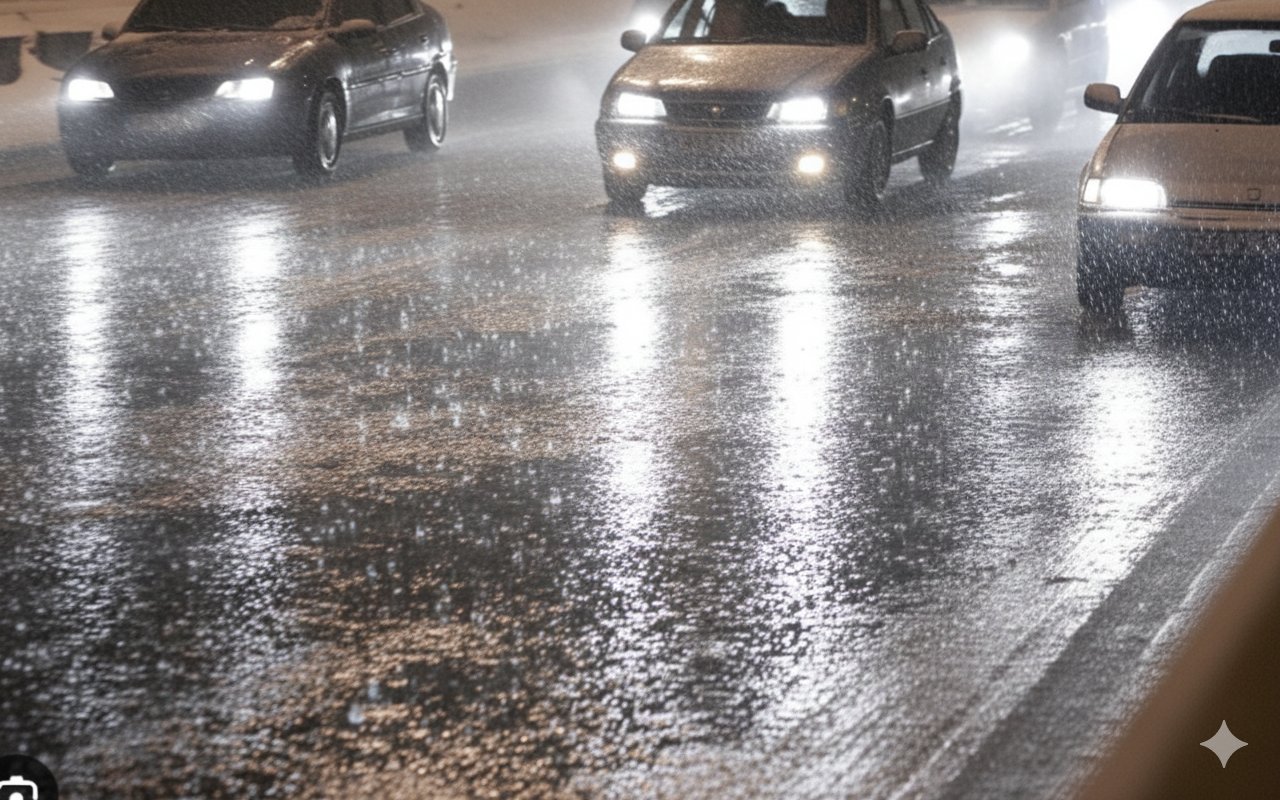
Although winter temperatures in Greece are milder than in much of Central or Northern Europe, the cold here can feel unexpectedly intense. In Athens, winter days generally range from the mid-40s to around 60°F, yet the chill feels far deeper than the numbers suggest. The biggest culprit is humidity. Moisture settles on clothes, walls, and floors, making the air feel heavy and the cold especially penetrating. It’s the kind of cold you feel in your bones rather than on your skin.
January and February are usually the coldest months. Northern regions may approach freezing, while the south combines damp air with chilly winds. Even so, Greek winter is anything but monotonous. After several gray and chilly days, the sky can suddenly clear, temperatures jump, and it becomes perfectly pleasant to sip a coffee outside. That unpredictability is part of the typical winter weather in Greece - mild one moment, sharp the next, and always changing.
Heating in Greece
To understand what winter in Greece really feels like, you have to understand Greek housing. Most homes were never designed with cold weather in mind. For decades, construction focused on keeping buildings cool during brutally hot summers, not warm during damp winters. As a result, insulation is often minimal or nonexistent, windows can be drafty, floors are rarely insulated, and walls absorb cold air throughout the night and release it inside. Moisture finds its way indoors easily and tends to stay there.
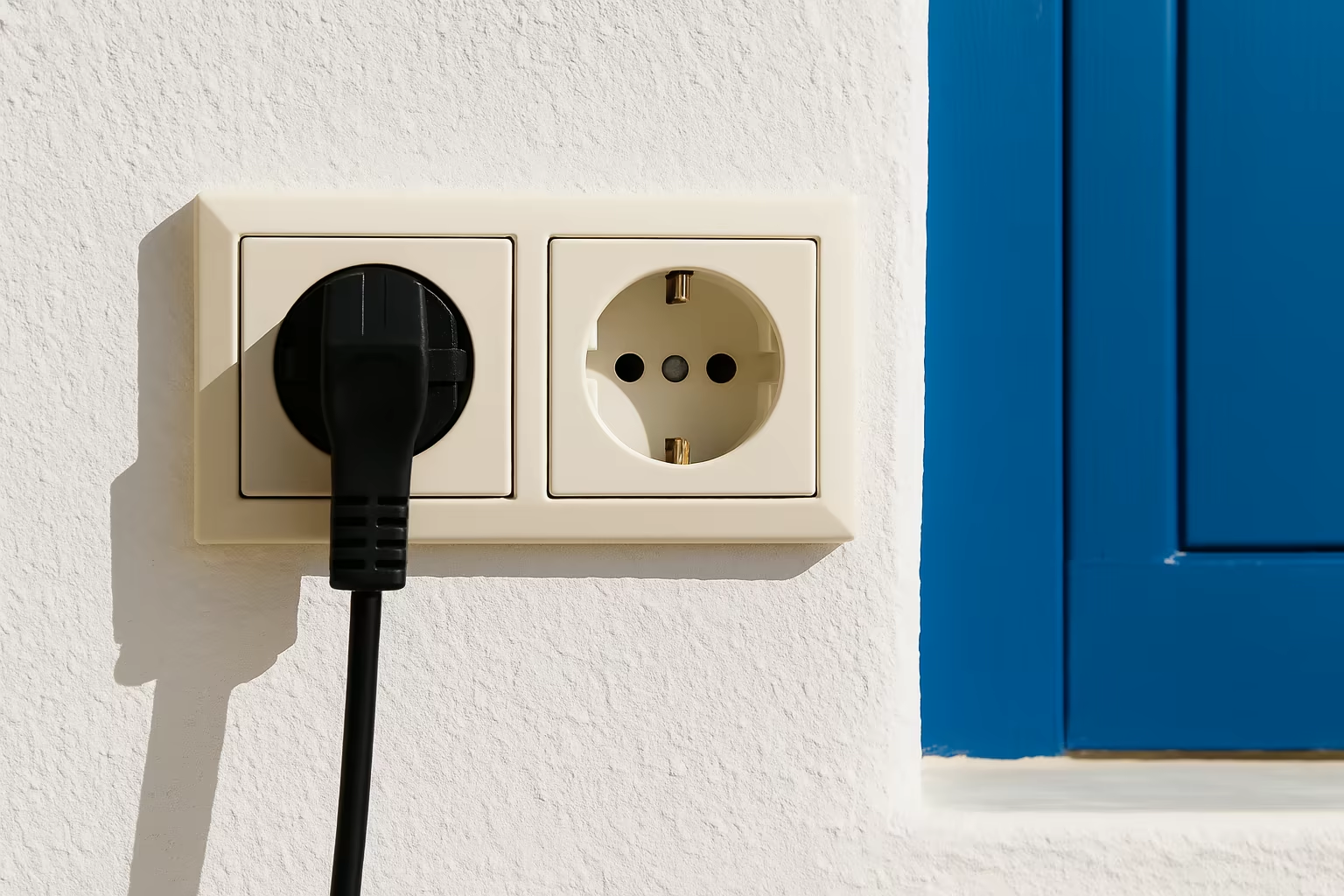
Heating systems add another challenge. Many apartment buildings technically have central heating, but residents often avoid turning it on due to the high shared cost. Instead, people heat their homes individually using air-conditioning units set to warm mode, electric space heaters, fireplaces, or portable radiators. These methods usually heat only one room at a time and do little to fight the persistent humidity. All of this means that, during winter, Greek homes frequently feel colder inside than the temperature outside - a reality that surprises many visitors. It's the combination of poor insulation, moisture, and uneven heating that makes Greek winter feel sharper than the thermometer indicates.
Snow in Greece
Contrary to what many imagine, snow in Greece is far from rare, especially in the northern regions. Macedonia, Thrace, and Epirus regularly see winter snowfall, and the surrounding mountains often turn white, allowing several ski resorts - including Parnassos, Kalavryta, and Vasilitsa - to operate each season.
Snow also appears in Athens. It doesn’t happen every year, but it happens often enough that locals aren’t shocked by it. When the capital does turn white, the city slows down and residents treat the moment almost like a small celebration. Athens covered in snow looks like an entirely different place - quieter, softer, and unexpectedly magical.

Winter on the Greek Islands
On the Greek islands, snow is mostly limited to mountainous areas, but everyday winter life is shaped more by wind and humidity than anything else. The Meltemi wind, which feels refreshing in summer, turns sharp and biting in winter, carrying cold, damp air from the sea. Evenings can be surprisingly chilly, and the combination of moisture and wind makes temperatures feel significantly lower. Indoors, humidity lingers, often making homes feel even colder despite any heating efforts.
Although winter weather in Greece isn’t comparable to the harsh cold of northern climates, it can still be demanding. It’s humid, unpredictable, and often piercing, and the lack of insulation in many homes makes the season feel colder than visitors expect. Yet Greek winter also has its own charm. Empty beaches, the scent of wood-burning fireplaces, mountain landscapes dusted with snow, and the sudden appearance of bright, sunny days give this season a unique atmosphere.