New Year’s Eve in Greece: What to Expect
When most people picture Greece, they imagine summer: whitewashed villages, seaside tavernas, and the warm Aegean breeze. But Greece in winter is a different story altogether - quieter, more intimate, more local. And if you decide to spend New Year’s Eve here, it’s worth knowing right away: the celebration doesn’t look like what you might expect.
Greece doesn’t explode with street parties from early evening. You won’t find wild crowds filling the squares at 9 p.m. or fireworks echoing through the city for hours. Instead, New Year’s Eve begins softly, inside Greek homes, with family traditions that are older than many modern countries. The night only truly comes alive after midnight.
This contrast - slow, warm, home-oriented beginnings followed by late-night energy - is exactly what makes New Year’s in Greece so special. If you like to travel not just to see another place, but to understand how people actually live, this celebration will stay with you.
A Family Evening: The Heart of Greek New Year’s Eve
For most Greeks, New Year’s Eve is a family holiday. People gather at home for a long dinner, conversation, music, and a relaxed night together. If you step outside around 10 p.m., you might think the city has gone to sleep. It hasn’t - it’s simply indoors.
One of the most important pieces of the night is the vasilopita, the traditional St. Basil’s New Year’s cake. Right after midnight, the cake is cut and shared in a specific order, often from the eldest person in the household down to the youngest. Hidden inside is a small coin. Whoever finds it is considered the lucky one for the year, and the coin becomes a tiny good-luck charm kept until the next New Year’s Eve. There’s no pomp or solemn ceremony - it’s simply a sweet, funny, joyful family moment.

Another custom that catches many travelers off guard is the pomegranate ritual. Greeks hang a pomegranate above the door before New Year’s Eve. When midnight strikes, the lights go off for a moment and the head of the household smashes the fruit on the doorstep. The splattered seeds symbolize abundance and prosperity for the new year. If the juice leaves bright red droplets on the floor, that’s considered an especially lucky sign. The whole act takes only a few seconds, but it’s a charming glimpse into how much these symbolic gestures still mean in everyday Greek life.
Morning Traditions: Children’s Carols and the First Signs of Celebration
The day already feels festive from the morning of December 31st. Children take to the streets with small metal triangles and sing kalanda, traditional New Year’s carols. They knock on doors, recite their songs, and are rewarded with sweets or small coins.
It’s a tradition that has survived everywhere, in big cities and tiny mountain villages alike. For travelers, hearing those morning carols can be unexpectedly moving, because it’s a custom that has disappeared in many other places.
New Year’s Gifts: St. Basil Takes the Lead
In Greece, gifts aren’t exchanged on Christmas. They come on New Year’s Day, brought by Agios Vasilis, St. Basil, the Greek version of Santa Claus.
So on the morning of January 1st, children run to the tree with the same excitement that kids in other countries feel days earlier. For many Greek families, the start of the year - not Christmas Day - is the most joyful moment of the holiday season.
Podariko: Who Enters First?
Greek tradition places a lot of importance on the first person to step inside the home in the new year. This custom is called podariko, and it’s believed that the first footsteps determine the luck of the household for the months ahead.
Usually the family invites someone considered “lucky” - often a child or a cheerful, positive person. In some regions, this role comes with additional symbolic actions.
On the island of Leros, for example, the first person enters with a jug of water and a stone. They sprinkle the water around the house to “refresh” the year and place the stone on the floor as a sign of strength and stability. Only after this ritual does the pomegranate get smashed at the door.
Another tradition that fills the night is card playing. Winning the first game of the year is said to bring financial luck, though most people treat it lightly - it’s more about fun, laughter, and playful teasing. The combination of cards, snacks, and relaxed conversation creates a cozy atmosphere that foreign visitors often find charming and surprisingly down-to-earth.
Midnight: Toasts, Wishes, and a Quiet Start to the Celebration
Midnight in Greece is warm and intimate. Families count down together, sometimes watching the televised New Year’s broadcast, sometimes simply talking and watching the clock. When the new year arrives, you hear “Chronia Polla!” (“Many years!”) and “Kali Chronia!” (“Happy New Year!”). Fireworks do appear in many areas, though they’re usually brief and not as overwhelming as in countries where massive displays dominate the night.
It’s a gentle start to a celebration that is just about to awaken.
After Midnight: Greece Turns Up the Volume
Once the home rituals wrap up, a different scene begins. Shortly after midnight, people start heading outside. Streets that were empty earlier suddenly fill with groups moving from house to house, from bars to cafés, from one celebration to another. In many places, the real party doesn’t even start until after 1 a.m.
Greece loves nightlife, and New Year’s Eve is no exception - only here, it comes late.
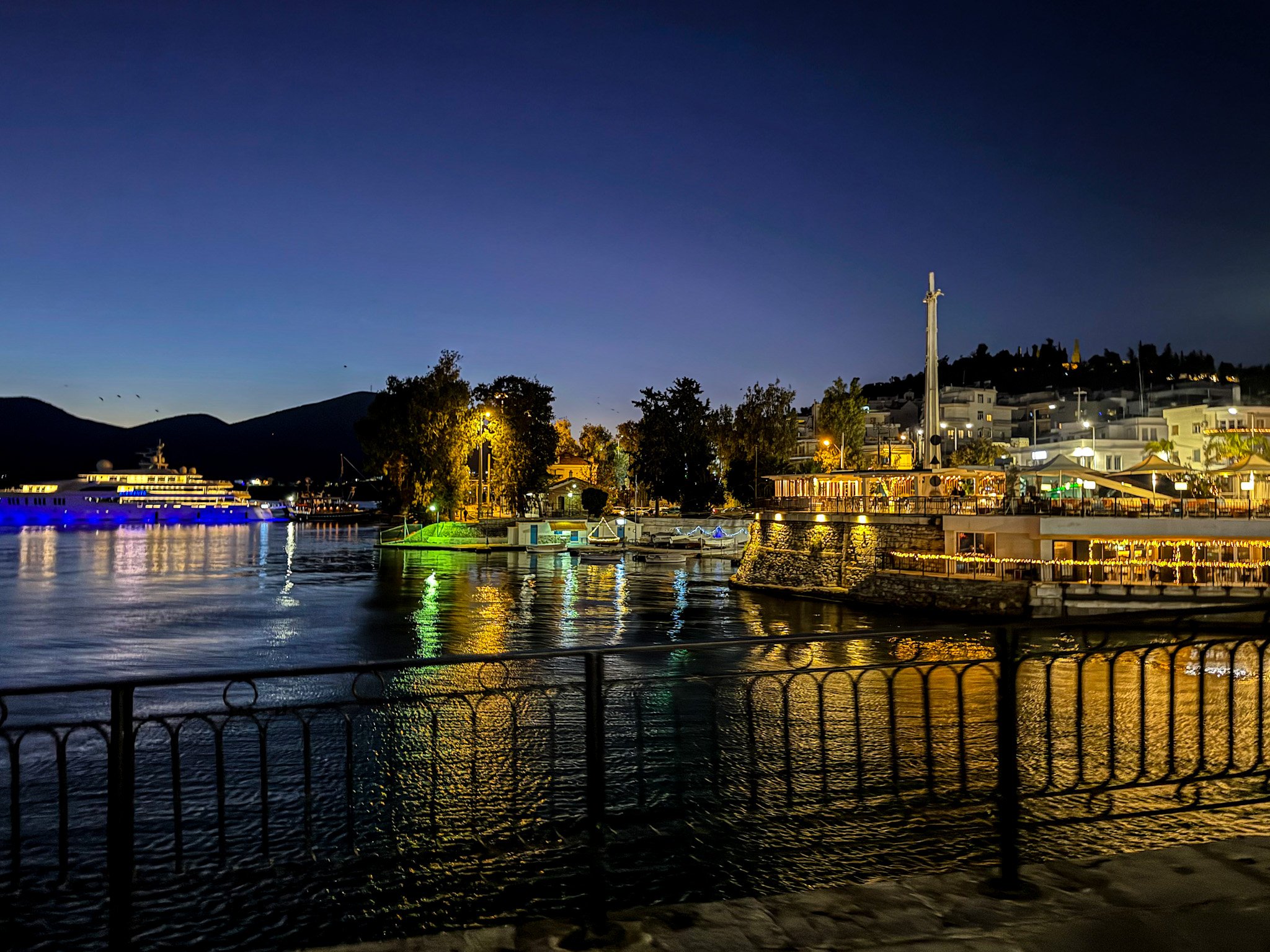
One of the most distinct experiences are the bouzoukia, live-music venues featuring Greek pop and "laïkο music". Tables fill up quickly, the atmosphere becomes energetic, people dance between them, sing along, and celebrate until dawn. It’s authentic, loud, joyful, and very Greek, a winter version of the vibrant nightlife travelers often know from the summer season.
Urban Celebrations: Athens and Thessaloniki
Although New Year’s Eve begins at home, Greece does offer public celebrations too, especially in its biggest cities.
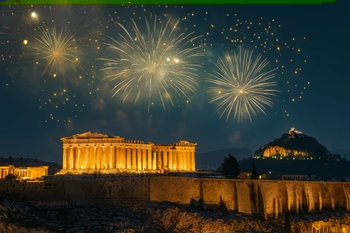
In Athens, one of the highlights is the fireworks display over the Acropolis. Even if it’s relatively short, the setting makes it unforgettable, the Parthenon illuminated against the night sky, surrounded by the sound of celebration from the city below. On Syntagma Square, the city often organizes concerts and a countdown with locals and visitors gathering together.
Thessaloniki, Greece’s second-largest city, brings a livelier, younger atmosphere. Its waterfront, squares, bars, and the popular Ladadika district fill up with music after midnight. The celebration is energetic but still distinctly Greek - spontaneous, sociable, and warm.
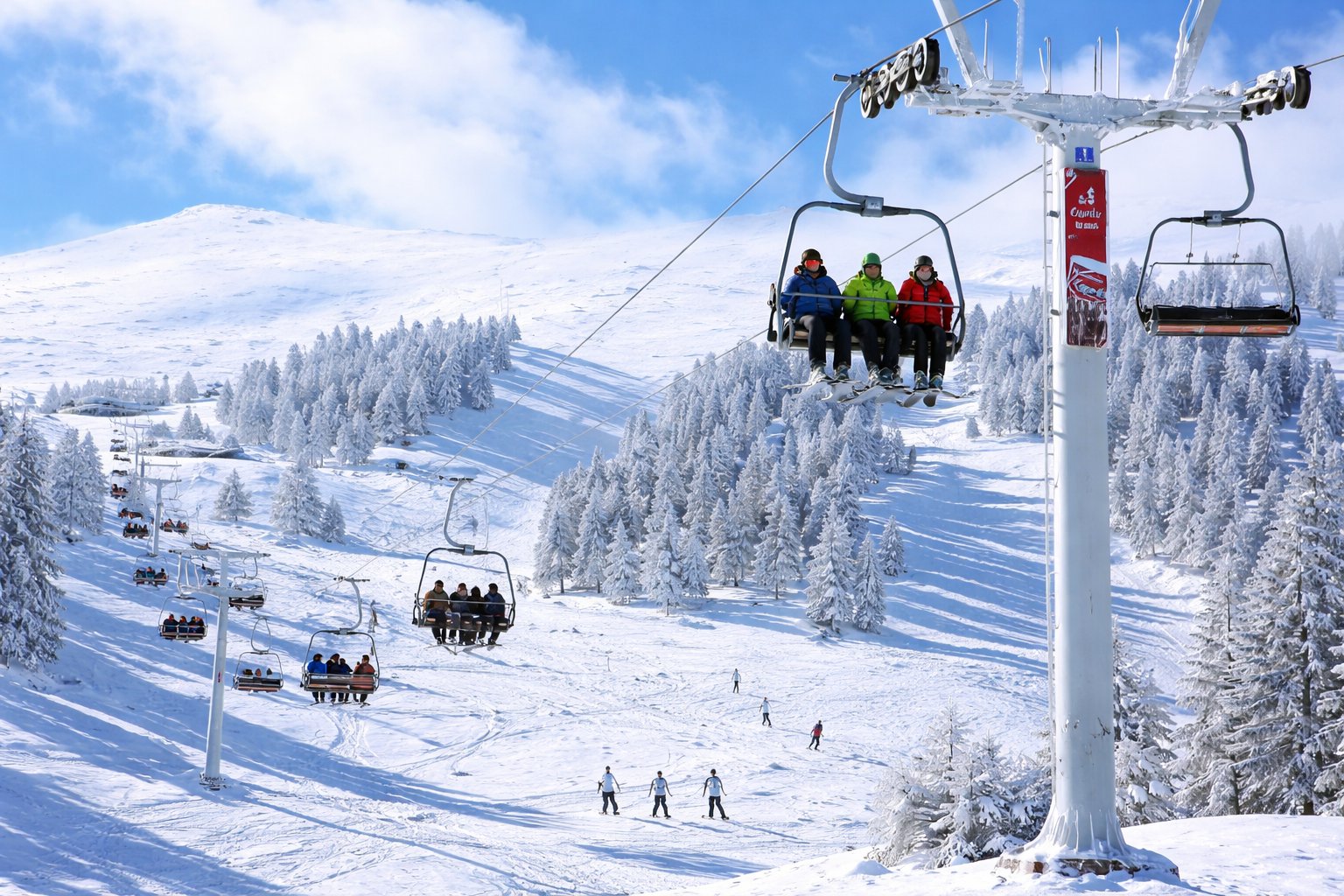
Not everyone heads to the cities. In recent years, more Greeks have been choosing mountain towns for a quieter winter escape. Places like Arachova near Mount Parnassus or Metsovo in the region of Epirus offer a charming blend of ski culture, fireplaces, stone houses, and slower-paced celebrations. It’s a side of Greece that many travelers never expect: snowy, peaceful, and perfect for a cozy New Year’s retreat.
Charming Details and Folklore - The Small Things Travelers Remember
Greek New Year’s traditions are full of surprising details. One of them is the humble onion hung over the front door as a symbol of rebirth. On New Year’s morning, parents gently tap their children on the forehead with it, a small gesture meant to bring good fortune.
Then there are the Kallikantzaroi, mischievous goblin-like creatures from old folklore, said to roam the world between Christmas and Epiphany. Fireworks and noise help “scare them away,” though today the stories are told mostly to entertain children.
During the holidays you may also notice illuminated model ships displayed in squares or homes. Long before Christmas trees became common in Greece, decorated boats symbolized new journeys and safe returns - a nod to Greece’s maritime tradition.
Practical Tips for Spending New Year’s in Greece
If you’re planning to celebrate the New Year in Greece, it helps to know the local rhythm. Restaurants fill up quickly on December 31st, so reservations are essential. Be prepared for dinner to start late and for nightlife to kick off even later. Remember that January 1st is a national holiday - shops, museums, and many attractions stay closed. It’s a slow day, perfect for walking, relaxing, and observing how families spend time together.
New Year’s Eve in Greece is a blend of warmth, rituals, and late-night joy. It’s quieter and more personal than in many parts of the world, but at the same time full of tradition, character, and moments that give you a deeper glimpse into Greek culture.
It starts softly and ends loudly. It values closeness as much as celebration. It’s authentic, heartfelt, and never staged for tourists.
If you’re curious about how another culture welcomes the new year - beyond fireworks and countdowns - Greece offers an experience that’s both meaningful and memorable.