Nudism in Greece: Top Nude Beaches, Laws, Resorts and Must-Know Travel Tips
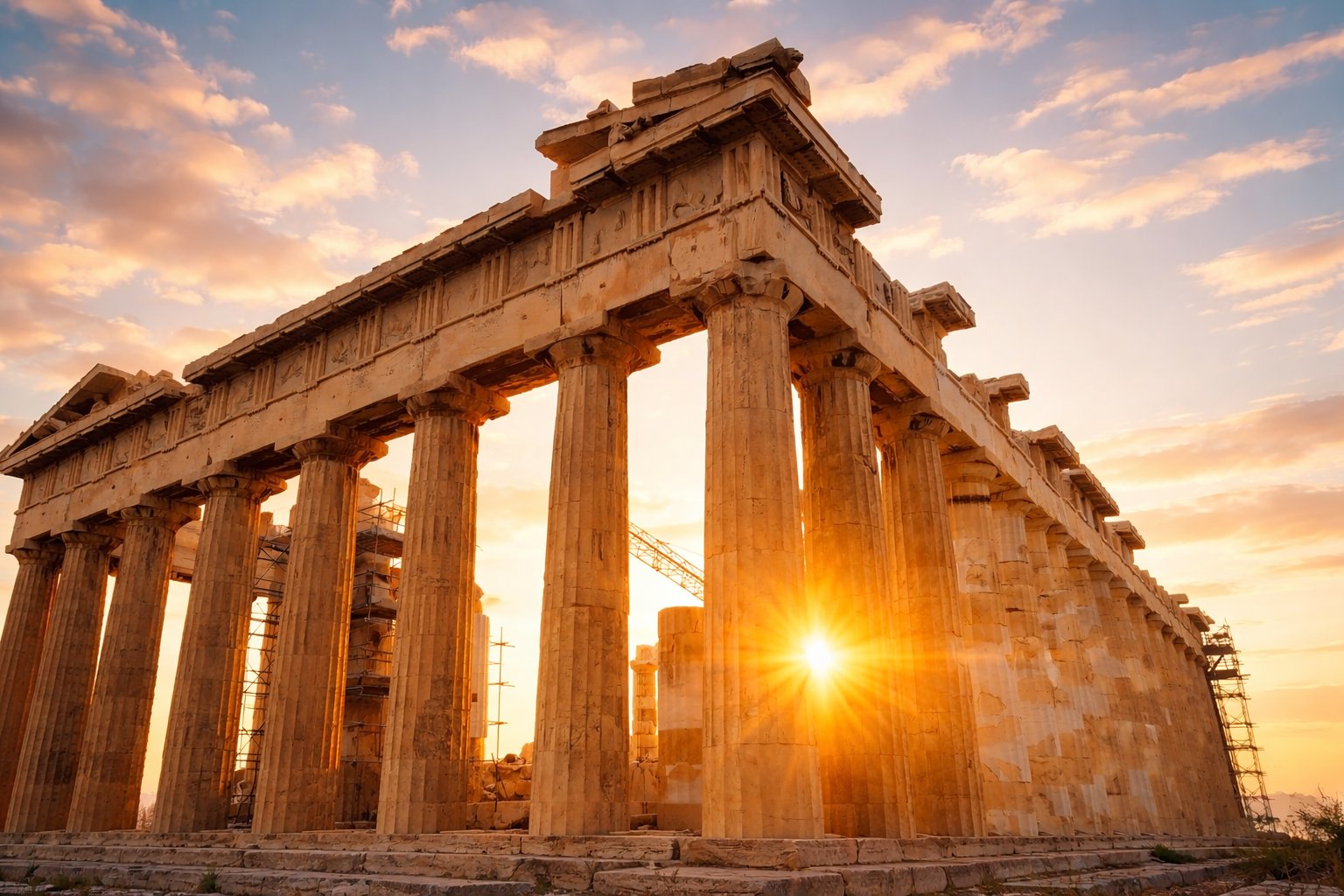
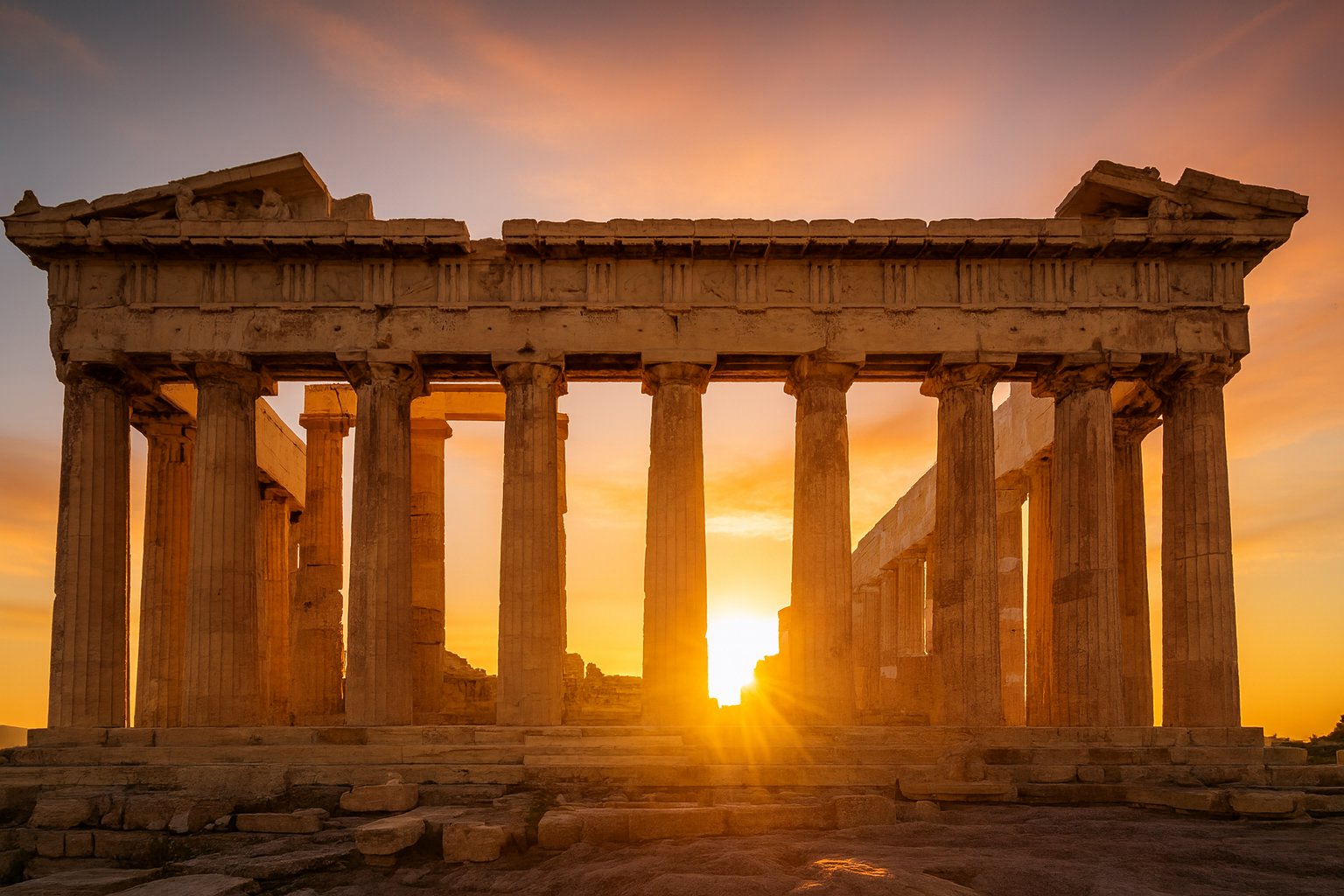
Outdoor nudity has a long tradition in Greece, even in ancient times, Greeks practiced sports and sunbathed without clothing, and the favorable climate supported this. Modern Greece, however, culturally shaped by the conservative Orthodox Church, remained hesitant toward public nudity for a long time. As late as the 1950s and 1960s, attempts to create nudist beaches or hotels met strong resistance from local communities and the Church, an example is the incident in Loutraki in 1959, when plans to open a nudist beach sparked protests and moral panic. Only with Greece’s social liberalization and the growth of tourism did the idea of naturism slowly begin to gain acceptance.
A turning point came when Greece joined the EEC in 1981 and introduced key legal changes in the early 1980s. In 1983, the Greek parliament passed a law (No. 1399/1983) that legalized nudism only in officially designated areas - special naturist resorts and the beaches that belong to them. Under Greek law, public nudity is allowed exclusively on officially designated nudist beaches or in licensed naturist resorts. Outside of these locations, nudity can be considered “public indecency” (Article 353 of the Greek Penal Code) and may result in fines up to 1,500 euros, or in extreme cases even up to 2 years in prison. In practice, however, strict penalties are rare - the key is respecting local norms and avoiding behavior that could offend others. It’s worth noting that topless sunbathing (for example by women) is technically not legal on public beaches, yet it is widely tolerated in tourist resorts on islands like Rhodes, Crete, and Mykonos.
Today, only three beaches in all of Greece have officially recognized nudist status granted by local authorities: Faliraki on Rhodes (designated in 1980), Sarakiniko on the small island of Gavdos (since 2011), and Velanio on Skopelos (since 2012). In addition, several licensed naturist hotels and campgrounds operate in Greece (such as Vritomartis on Crete and Vassaliki on Kefalonia), offering guests the freedom to be nude on their property and their private beach. Everything else related to naturism happens informally - on dozens of wild or secluded beaches where nude sunbathing is traditionally tolerated. These areas have no signs or legal status, but long-standing custom has made them safe and accepted places for naturists.
Social and Cultural Attitudes Toward Nudism in Greece
Although the ancient Greeks had no shame about nudity, modern Greek society tends to approach nudism with caution or even ambivalence. Public conversations about the topic often bring awkward smiles - a lingering stereotype suggests that nudists are voyeurs or exhibitionists. Such perceptions mean that, for many Greeks, nudity outside the home still feels taboo. In small, traditional communities (especially mainland villages), the sight of a naked person on a public beach might provoke disapproval or intervention. Orthodox religious values and strong family-oriented culture make open nudism incompatible with local norms - especially in public areas used by everyone.
On the other hand, Greeks are fully aware of how tourism-driven their country is, and they’ve learned to tolerate nudism when it’s expected. Paradoxically, the most liberal attitudes are found on islands that have long been visited by Northern European tourists who value clothing-optional beaches. On popular vacation islands - Crete, Rhodes, Corfu, Zakynthos, and Mykonos - the existence of remote nudist-friendly beaches is widely known, and locals accept them as long as naturists don’t impose themselves on others. Nudist beaches on these islands are usually treated with respect and aren’t controversial, forming an informal part of the tourism landscape. Many residents understand that naturists simply seek peace and contact with nature, so as long as they follow basic rules (staying within nudist zones, getting dressed when leaving the area, etc.), conflicts rarely occur.
However, the mass development of tourism has gradually reduced the amount of space available to nudists. Dozens of small coves that were once naturist havens have been developed - beach bars, lounge chairs, hotels - pushing naturists away from previously secluded spots. On one hand, the rising number of tourists forces local authorities to regulate some areas (hence officially designated beaches like Faliraki with full facilities). On the other hand, commercialization has stripped some places of their wild charm. Despite this, Greek society is slowly becoming more comfortable with naturism as a harmless form of recreation. Younger Greeks and those working in tourism tend to be more relaxed about the subject, treating nude sunbathing as a private choice and a normal part of the vacation landscape. Overall, nudism in Greece is tolerated but not publicly celebrated — the key is practicing it discreetly, in locations and ways that do not offend more conservative citizens.
Best Nudist Beaches in Greece
Below is a list of popular naturist beaches in Greece, divided by region. It includes both officially recognized beaches and informal “wild paradise” spots cherished by naturists. Each entry includes information about accessibility, amenities, and the atmosphere you can expect.
Crete
Greece’s largest island is famous for its many naturist-friendly spots and is often considered the nudism capital of Greece. Most FKK beaches are located in the less developed southern and western parts of the island - far from the busy resorts of the north. Some can be reached by car or on foot; others are accessible only by boat. Among the most iconic is Glyka Nera (“Sweet Water”) - a stunning, secluded beach beneath towering cliffs in southwest Crete. Its name comes from freshwater springs that flow directly into the sea, making the water refreshingly cool near the shore. Glyka Nera is considered the essence of naturist paradise: no buildings, dramatic rocky scenery, and access only by a mountain path or boat. The effort is rewarded with breathtaking views and a feeling of complete freedom. There’s no infrastructure (occasionally a seasonal boat-tavern operates), so bring plenty of water and shade.
Another well-known spot is Kokkini Ammos (“Red Beach”) near Matala - a historic hippie beach with striking red sand, reached by a 20-minute walk over the hills. The left (western) side traditionally belongs to naturists, while the right tends to attract textile tourists. The beach is small and can get crowded; there are no facilities, but it has a laid-back, friendly vibe.

Also notable is Filaki Beach near Chora Sfakion, located next to the naturist resort Vritomartis (hotel guests have direct access). Filaki is intimate, with pale pebbles and crystal-clear water, and it offers basic amenities like loungers and umbrellas provided by the resort.
Crete has dozens of other secluded naturist-friendly beaches - Sougia, the Red Beach in Preveli, Ammoudaki, Skinaria, Domata, and many more. Simply step away from main tourist zones and you’ll easily find a peaceful place to sunbathe nude surrounded by spectacular nature.
Rhodes
This popular island is home to Faliraki (Mandomata) - the only officially designated nudist beach on Rhodes. Located about 10 km from Rhodes Town, it’s easy to reach by road or public transport and is well-equipped. The naturist section offers loungers, umbrellas, and a tavern. In summer it can get busy, and space may be limited. The beach is sheltered by rocks, providing privacy from inland areas. With its amenities and gentle entrance to the sea, Faliraki attracts naturists of all ages, including families.
For quieter, more natural surroundings, consider Tsambika Beach - a wide sandy bay beneath a hilltop monastery. Though not an official FKK beach, its distant ends are often used by naturists, especially outside peak season. There are no bars immediately nearby, but that’s part of the charm - golden sand and a more untouched atmosphere. Additionally, the Kalithea area (near the historic thermal baths) has small coves where nudity is tolerated. Naturists can also be found in remote sections of coastline further from crowds.
Mykonos
This cosmopolitan island has attracted free-spirited visitors since the 1960s and was once considered a nudist paradise. Today, many beaches are highly commercial and crowded, but some naturist traditions persist. The most famous are Paradise Beach and Super Paradise, lively party beaches on the south coast. Historically, both welcomed many naturists; now, textile visitors dominate in peak season, but nude sunbathers are still common on the far ends or earlier in the day. Super Paradise has a strong club vibe, but the farther you walk from the bars, the more you’ll see optional nudity - it’s tolerated and part of the island’s culture.
A quieter option is Paraga Beach, where one end still functions as a naturist zone. Elia Beach, long known as LGBT-friendly, also has a section where nudity is common (usually the far right side when facing the sea).
No beach on Mykonos is officially designated for nudists, but the island’s overall atmosphere is very liberal - nudity doesn’t shock anyone as long as it’s in traditional naturist areas. Since most beaches are developed and busy, Mykonos isn’t ideal for those seeking solitude. However, if you want to mix naturism with nightlife, Paradise and Super Paradise are fitting. You can also find small, secluded coves around the island for nude sunbathing, but they typically require your own transport or a hike.

Peloponnese
On mainland Greece, naturism isn’t as common as on the islands, but the Peloponnese offers many wild, sparsely populated beaches perfect for nude sunbathing. One of the most famous is Kaiafas on the west coast (Elis region) - a long, wide sandy beach separated from the mainland by a pine forest and lake, known for its hot springs. Its vastness makes it easy to find a secluded spot. It’s not an official nudist beach, and more textile beachgoers appear each year, but nude swimmers are still common on the quieter stretches. Facilities are limited (a few bars near the main entrance, none further down), so bring what you need.
In the southern Peloponnese, Voidokilia - a breathtaking, perfectly round bay in Messenia - is another favorite. Although a popular natural attraction, its far end is often an unofficial naturist zone, especially outside peak season. On quiet days you can sunbathe nude with turquoise water and dunes in front of you, but remember there is no shade, and sun protection is essential.
The eastern Peloponnese is rockier - naturists there seek out small hidden coves in the Mani or Argolid regions, often accessible only by boat or a long walk. One notable place is Salanti Beach in Argolida, where Greece’s first naturist hotel (Saladi Beach Hotel) operated in the late 1970s before being shut down due to local protests. Today the beach is deserted, the hotel stands in ruins, and a handful of naturists still enjoy the peaceful, stony shore.
There are no official FKK beaches on the Peloponnese, but an unwritten rule applies: the farther from crowds you go, the more freedom you have. If you find a quiet section of coast with no one around, you can comfortably sunbathe nude — locals rarely object as long as you’re discreet.
Chalkidiki
This beautiful three-pronged peninsula in northern Greece isn’t typically associated with naturism, but it does offer several “secret” nudist spots. Most beaches in Chalkidiki are family-oriented, yet naturists can find welcoming places, especially on the middle peninsula, Sithonia, which is less developed.
The best-known is the Kalamitsi nudist beach (Kalamitsaki) on Sithonia - a small cove separated by rocks from the main Kalamitsi Beach. There are no signs, but it has been known for years as a naturist spot. A short rocky path leads to a serene beach with golden sand and crystal-clear water, far from prying eyes. There are no facilities - bring your own water and snacks, which adds to its untouched charm.
Another popular area is the chain of mini-coves called Kavourotripes (also known as Orange Beach) on Sithonia’s east coast. These postcard-perfect coves with white sand and emerald water sometimes host naturists, especially on weekdays when fewer local families are present. Sani Beach on the first peninsula (Kassandra) historically had a naturist-friendly section on its far end as well.
Chalkidiki has no official FKK beaches, but several places - around Vourvourou, the island of Amouliani, and wild stretches between larger resorts - are known naturist hangouts. These areas are not marked, so it’s best to check traveler forums to find out which spots currently tolerate nudity. Locals from Thessaloniki who practice naturism also frequent these areas - beaches like Karydi near Vourvourou or the wild end of Paliouri Beach have become increasingly popular. Although more conservative than the islands, Chalkidiki can pleasantly surprise naturists seeking beautiful scenery and a relaxed atmosphere.
Practical Tips for Travelers
Follow Local Laws
In Greece, practice nudism only where it is accepted - on official nudist beaches or well-known secluded naturist spots. Do not sunbathe nude on regular, crowded family beaches. When leaving a naturist area (to reach the parking lot, a bar, or any non-naturist zone), always put your clothes back on - nudity outside designated areas is illegal and may result in fines. Remember that after sunset, nudism is prohibited even on naturist beaches, so get dressed before dark.
Choose Beaches Wisely
If you’re a beginner or enjoy comfort, choose an official beach or a popular naturist spot - you’ll feel more at ease and have access to amenities like loungers, showers, or bars. If you prefer quiet and close contact with nature, seek out a wild beach recommended by other travelers. Remote beaches have no services, so come prepared: bring plenty of water, food, shade, and a bag for trash. Good footwear helps when trails are rocky, and snorkeling gear is useful, many naturist coves have clear water and beautiful underwater scenery.
Follow Naturist Etiquette
A nudist beach is a place of relaxation and freedom, but respect for others is essential. Always have a towel to sit on - on loungers or rocks - for hygiene and courtesy. Avoid staring at other beachgoers; nudity quickly becomes unremarkable when treated naturally. Do not take photos or videos, even of your own family, if strangers might appear in the frame - privacy is extremely important. Ask permission before photographing anyone. Also avoid any sexual behavior - naturism has nothing to do with exhibitionism, and inappropriate conduct may lead to intervention by other beachgoers or the police.
Be Discreet and Respectful
If you're on an unofficial wild beach where textile visitors are also present, choose a spot away from them so you’re not imposing your nudity on others. A commonly practiced rule is that “the first person on the beach sets the tone”: if you arrive and others are clothed, don’t lay your towel directly next to them and get naked; find a more distant spot. Conversely, if you arrive first and prefer naturism, settle slightly off to the side; newcomers will decide whether to join you nude or stay clothed. If a local resident or tourist expresses concern, respond politely - they may not realize the beach is traditionally naturist. Calmly explain or simply cover up rather than starting an argument. Fortunately, hostility is rare - Greeks are generally friendly or indifferent as long as nudity occurs in appropriate places.
Stay Safe and Comfortable
The Greek sun is very strong, and your entire body is exposed when nude. Use high SPF sunscreen and reapply often, especially on sensitive areas that normally don’t see much sun. Stay hydrated - dehydration is a real risk. If the beach has rocks or sharp stones near the water, bring water shoes to avoid cuts. Hot sand and rocks can burn your feet, so sandals or flip-flops are useful. For longer stays, set up some shade- your body will thank you.
Respect the Natural Environment
Many naturist beaches in Greece are unspoiled natural areas - sometimes protected, like turtle nesting sites on Zakynthos. Keep these sanctuaries clean: take your trash with you, avoid damaging dune plants, and never light fires. If you camp overnight (though wild camping is technically illegal), leave no trace. Greek beaches are home to many species - for example, loggerhead turtles (Caretta caretta) nest on some shores. Respect any markings or restricted zones. Naturism is about closeness to nature, so a true naturist is also a protector of nature. Leave only footprints on the sand - and take home unforgettable memories from Greece’s nudist beaches.
So if you enjoy this kind of atmosphere, Greece is definitely worth considering. Even though there aren’t many official naturist resorts, the country offers countless secluded spots where no one will judge you and where you can relax exactly the way you want.
And Greece, after all, is such a beautiful place - full of sunshine, open spaces, and hidden corners that make it easy to feel completely at ease. 💛