What to Eat at Christmas in Greece: 4 Traditional Greek Holiday Desserts
If you'll be in Greece during Christmas, or even shortly after the holidays, get ready for a delicious surprise. Greek Christmas isn’t just about family gatherings, festive decorations, and carols. It’s also about unique flavors and traditional sweets that make this time of year feel even more magical.
Greek homes fill with the aroma of warm spices, honey, roasted nuts, and freshly baked treats. And every dessert comes with its own history, passed down through generations. Ready to discover what Greeks enjoy most during the holidays? Here are four traditional Christmas sweets you absolutely have to try.
Melomakarona
What are melomakarona?
Melomakarona (μελομακάρονα) are among the most loved holiday cookies in Greece. Made with flour, olive oil, orange juice, cinnamon, and cloves, they’re soaked in honey syrup after baking and sprinkled with chopped walnuts. Soft, sweet, and wonderfully aromatic, they’re a true Christmas classic.

Calories & Fat:
One cookie (about 35 g): 190 calories, 8 g fat, mostly from heart-healthy olive oil.
Did you know?
Their name comes from méli (honey) and makaria (a blessing feast). While in ancient times they played a role in rituals for the dead, today they symbolize joy and celebration. And if you spot chocolate-covered melomakarona in a bakery, try them. They’re incredible.
Kourabiedes
What are kourabiedes?
Kourabiedes (κουραμπιέδες) are buttery almond cookies, generously dusted with powdered sugar. They look like little snowballs - perfect for the holiday season - and they crumble beautifully with each bite.

Calories & Fat:
One cookie (40 g): 240 calories, 9.2 g fat, coming mainly from butter.
Did you know?
Many traditional recipes use rose water for a delicate floral aroma. Some families add brandy or ouzo for extra depth. Crescent-shaped versions are believed to bring good luck and protect the home from negative energy.
Vasilopita
What is vasilopita?
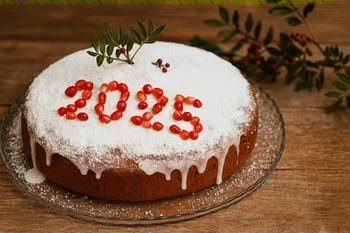
Vasilopita (βασιλόπιτα) is the Greek New Year’s cake and it comes with a twist. Hidden inside is a lucky coin. Cutting the vasilopita is one of the most important New Year traditions: every slice is dedicated to someone at the table, and whoever finds the coin is said to enjoy good fortune throughout the year.
The cake itself varies across Greece: some versions are brioche-like, while others are fluffy cakes flavored with vanilla or citrus.

Calories & Fat:
A 100 g slice: 350 calories, 20 g fat, depending on whether the recipe uses butter or olive oil.
Did you know?
The custom is linked to Saint Basil, who secretly distributed coins to the poor by hiding them in bread. Today, cutting the vasilopita is a moment filled with laughter and anticipation — everyone secretly hoping the lucky coin ends up on their plate.
Diples
What are diples?
Diples (δίπλες) are thin sheets of dough rolled or folded into shapes, fried until crisp, and drizzled with honey syrup. They’re then topped with walnuts and a sprinkle of cinnamon. Crunchy, sweet, and surprisingly light - they’re a holiday favorite.

Calories & Fat:
One dipla (45 g): 170 calories, 4.5 g fat, mostly from frying.
Did you know?
The word diples comes from diplono, meaning “to fold.” Their folded shape once symbolized promises and unity, which is why diples were traditionally served at weddings. Today, they’re enjoyed during the winter holidays as a symbol of joy and abundance.
Ready to Taste Greek Christmas?
Greek holiday sweets may be a little different from gingerbread cookies, poppy-seed rolls, or other Northern European traditions, but that’s exactly why they’re worth trying. Melomakarona, kourabiedes, vasilopita, and diples bring warm Mediterranean flavors to the holiday table: honey, nuts, spices, citrus, and centuries of tradition.
Looking for a festive twist this year?
Add a bit of Greece to your Christmas and discover how sweet the holidays can be!